Eclectically Bound
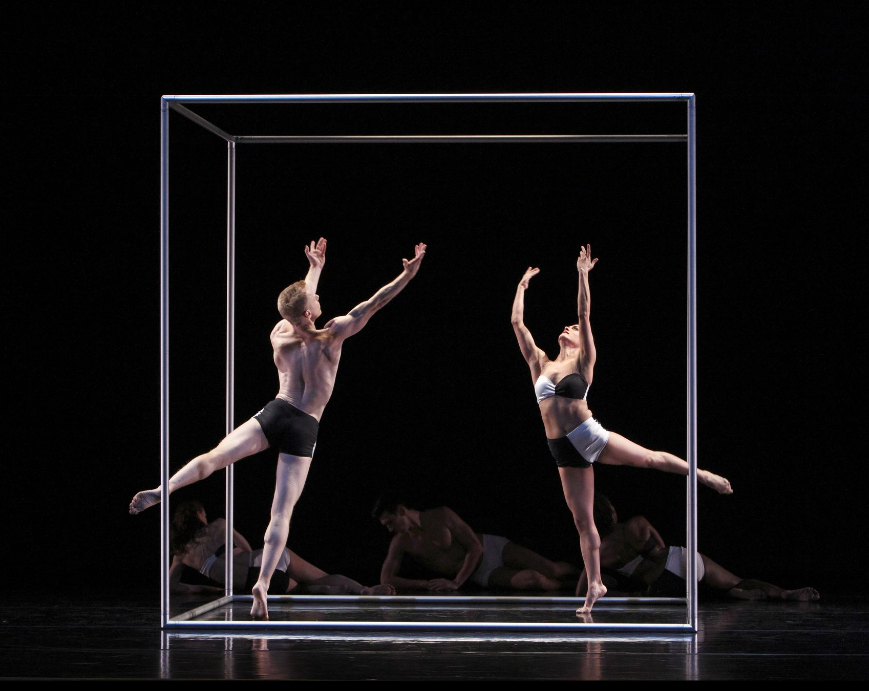
“Polaris,” “Also Playing,” “Esplanade”
Paul Taylor’s American Modern Dance
David H. Koch Theater
New York, NY
March 20, 2016 (matinee)
Dancing three very different works, Paul Taylor’s company presented an eclectic program that informed, amused and delighted. It may have been a richly packed afternoon, but the quality of the company’s take on the geometric “Polaris,” humorous “Also Playing,” and classic “Esplanade” made it seem to go by almost too quickly.
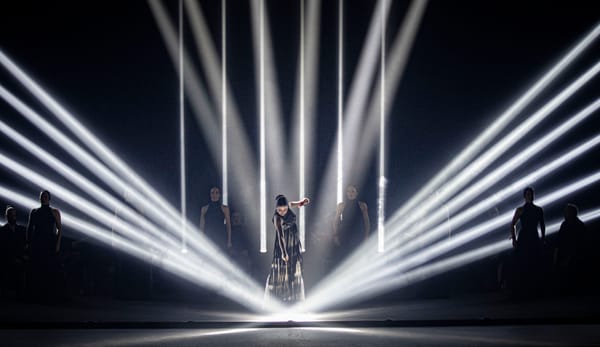
The structure of “Polaris,” in both choreography and overall motif, parallels itself and mirrors what is typically embedded in classicism but in a more modern way. With its two sections of identical choreography executed by different dancers, to different music and with different lighting, the work allowed for a more accessible look at the very make-up of dance. In one section, the sequences of lifts that resulted with women upside down at the end of the music phrase felt rippling and reflective of the Donald York score, specially composed for the piece and reconceived in 2016, in the first half, but more accented and punctuated with the second cast. Elsewhere, the change of dancers, tempo and temperature of expression created a different contrast, and made the exact same moves that looked dramatic appear as merely matter-of-fact steps in the hands of the second cast.
These dancers’ performance remarkably illustrated just how malleable the same choreography can be, and how dependent the impact of the steps is on the other variables that go into the final product of a particular dance: the music, the lighting, the body carrying it through. “Polaris” may not be the most intricate of Taylor’s dances choreographically, but it is a wonderful gift to the audience nonetheless in its candor and willingness to expose this nature of the art form.
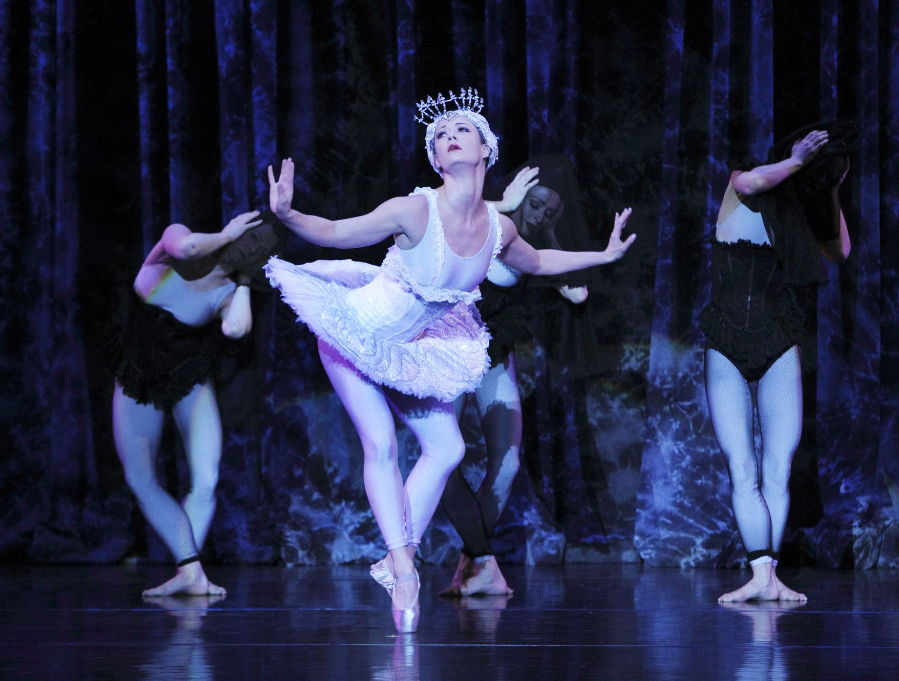
As though to underscore that dance isn’t all about its structural elements, “Also Playing” in the second act offered dance as a vehicle for truly infectious humor and good fun. In this Vaudeville piece the cast presented caricatured versions of various forms of dance and aspects the dancers’ world, performing waltzes with overabundant zeal, character dances with comical determination, and not neglecting to show some real-world aspects in the form of the performers running behind the semi-transparent stage back to rush from one side of the stage to the other. Some of the best vignettes made fun of the traditionally more serious dance: Ashtonian ballet bits and also classical swan sequences, where Laura Halzack brought devastating humor as a swan princess. The over-the-top enthusiasm of the stagehand, danced by Robert Kleinendorst, who seldom hid his character’s opinion of the performers, provided further humorous accents throughout the piece. It was a very different side of dance, one wholly focused on entertainment, and in showing that other aspect of the art form which is certainly ever-present for the artists (few dancers can truthfully admit to never making fun of some roles), the work felt almost as informative as "Polaris."
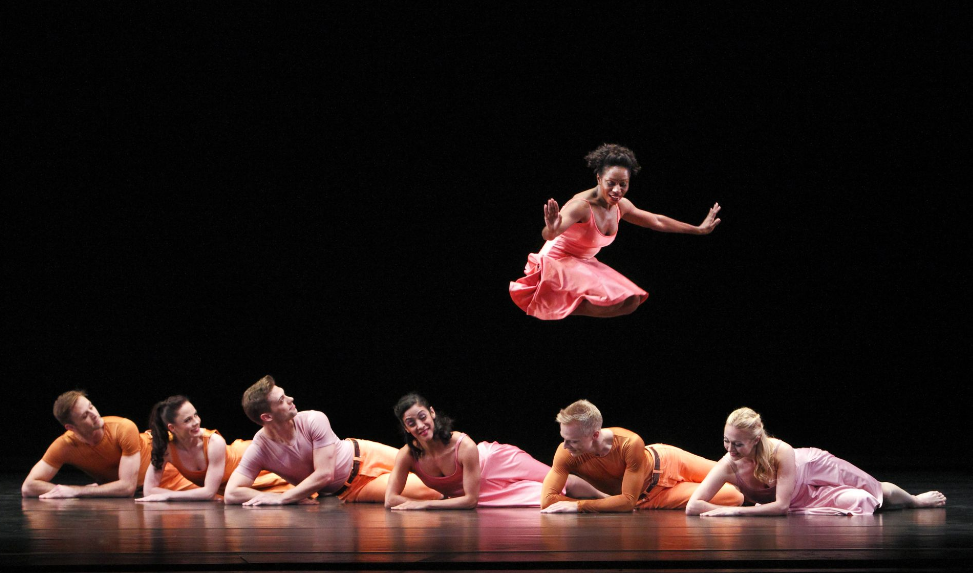
The afternoon’s concluded with a beautiful performance of Taylor's classic “Esplanade.” The casual simplicity of the court dance sequence at the beginning of the dance, performed in everyday walking steps with occasional hops, looked so natural it seemed the movements were betraying these dancers’ desire to dance upon hearing Bach’s music on a casual stroll down the street. Though the entire cast performed admirably, Michelle Fleet was a particular delight to watch, especially during her jumping sequences over the other dancers perched on the floor. Her radiance and charisma make “Esplanade” that much more special every time she performs. Next to her, Parisa Khobdeh was remarkable in a different way – her fearless approach to the slides and jumps of the last section where she was clearly unafraid to look less than pretty, and in that appearing beautiful.
The three dances of the program may have been radically different from each other, but this eclectic mix of Taylor works was so well put together to illustrate the structure, power and joy of dance, that the program itself, much like its independent works, felt like a special gift to the audience.
copyright © 2016 by Marianne Adams