Birthday Offerings
"Allegro Brillante", "La Source", "Firebird"
New York City Ballet
David H. Koch Theater
Lincoln Center
New York, New York
January 22, 2020
New York City Ballet celebrated Balanchine's 116th birthday with an all-Balanchine program which looked back to his (and ballet's) past. The classical clarity of "Allegro Brilliante", the nineteenth century Parisian perfume of "La Source", and the Diaghilevish exoticism of "Firebird" are from different streams which flowed into his imagination.
"Allegro Brillante" opened with a flourish, with the four couples in mid-leap, perfectly timed and devouring space. The fast, pristine choreography of the lead role suits Tiler Peck perfectly, and she rode the surge of the music triumphantly, with her trademark thrilling chaîné turns and elegant arms. Her dancing was unmannered and transparent, as if she were melting into the steps. This meant, though, that there was little mystery to her dancing, no secrets shared; it was a demonstration rather than an exploration. But her impeccable control and musical incisiveness created its own astounding beauty.
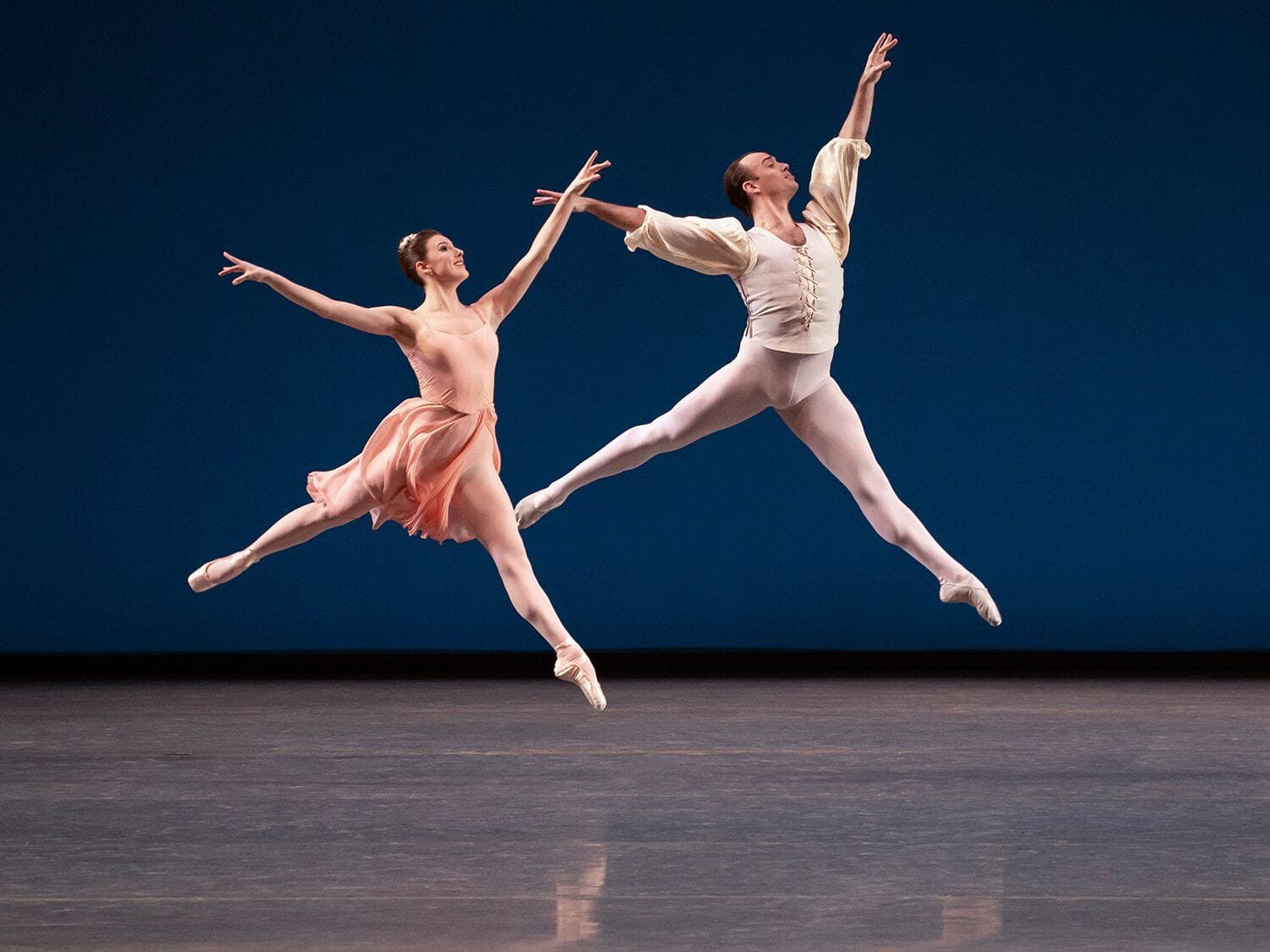
Tyler Angle was her generous partner. His technique is not flashy but he danced without strain and his gracious little nods to the four corps girls as he partnered them briefly created a real sense of community.
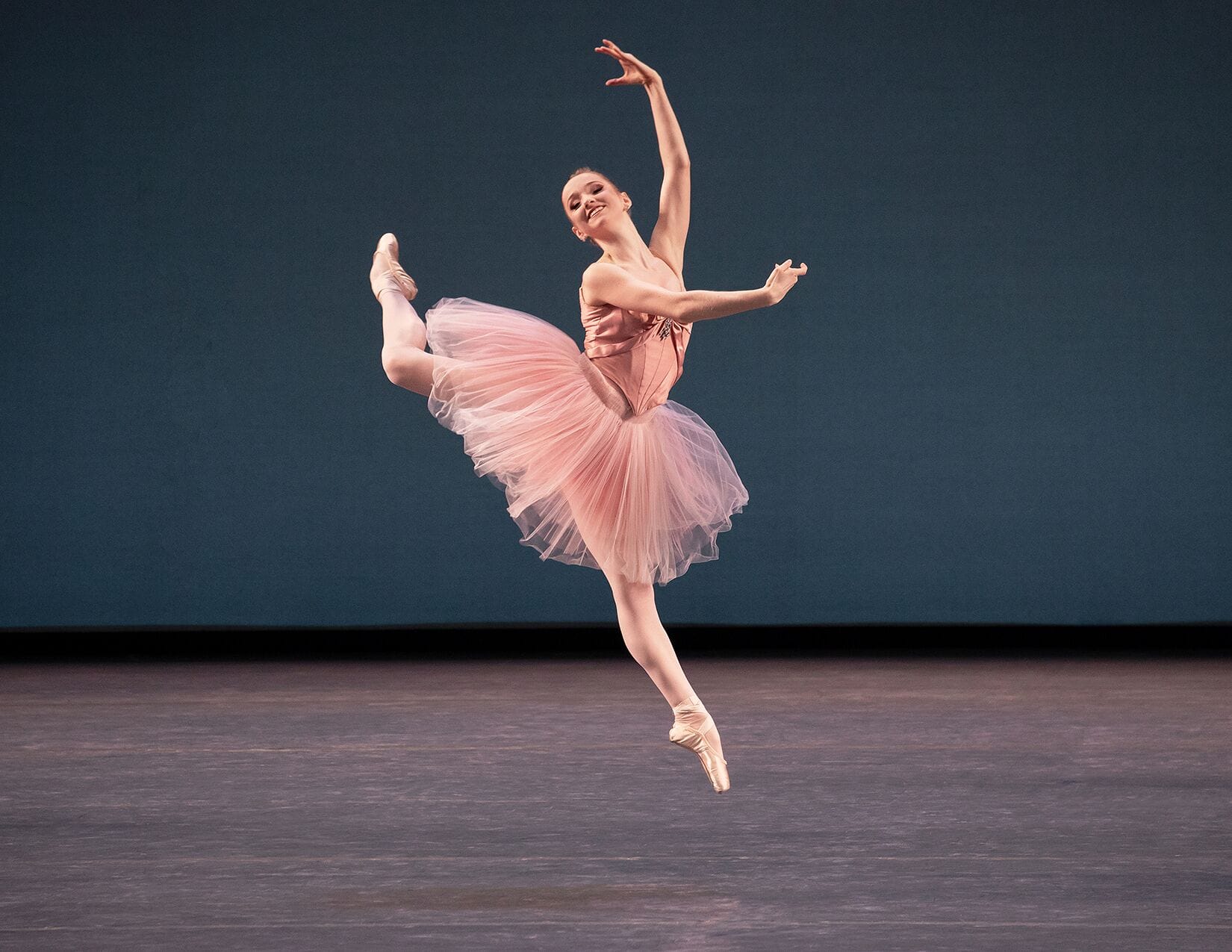
"La Source" also features a community, a timeless group of little Parisian ballet girls; its Delibes music has the richest and most luxurious melodies this side of Glazunov. Unfortunately, it was danced against a bare background (the leafy backdrop with its mysterious atmosphere has been abandoned) and the frisky little nymphs of the original story to which Balanchine so gracefully alludes had no help in creating their own little world. Their wiry arms and often wayward synchronization, too, were at odds with the soft elegance of Balanchine's choreography. Emma von Enck, in her debut as their leader, was a glorious exception, as she bounded on with a delicate confidence, tossing off those distinctive jumps with a lighthearted insouciance.
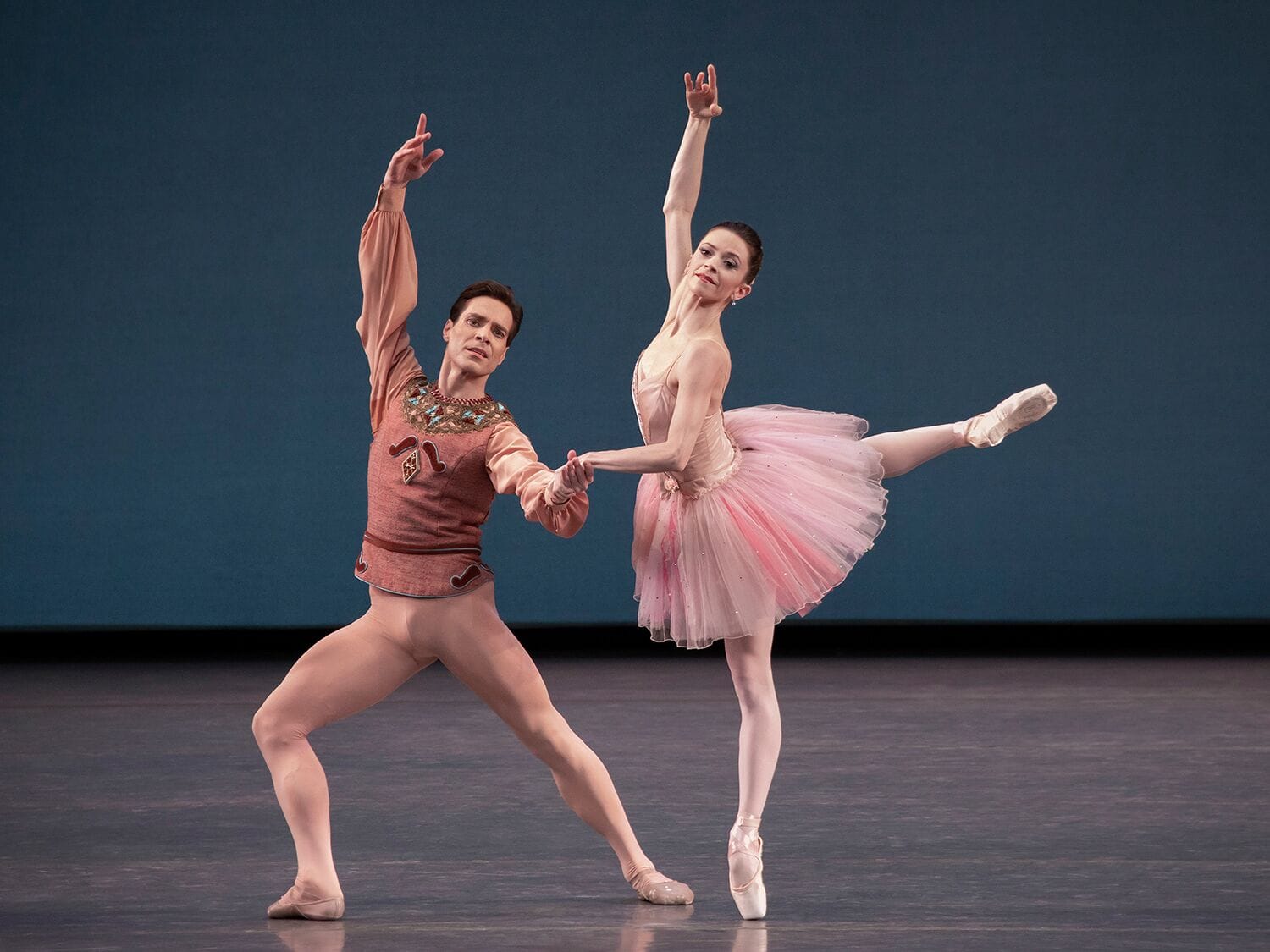
The lead couple (Megan Fairchild and Gonzalo Garcia) have several pas de deux and solos, not of which tell a coherent story, but all create a unique and ravishing atmosphere, like hints of a half-remembered melody. Both dancers seemed to be floating in the choreography, finding an emotional logic in the soft yet expansive choreography. Fairchild's piquant footwork, her lyrical upper body, and her mysterious melancholy hinted at the doomed, self-sacrificing nymph of the original story. Garcia jumps were a bit sketchy by his stylish dancing and generous partnering more than made up for any lack of elevation.
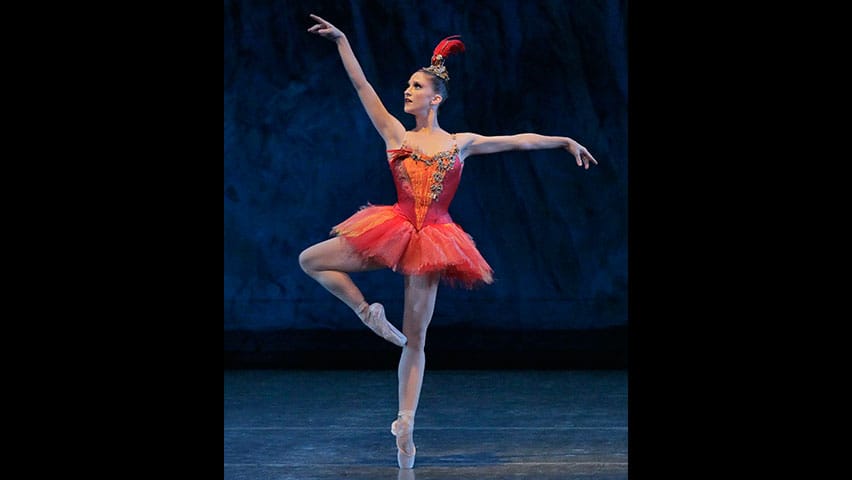
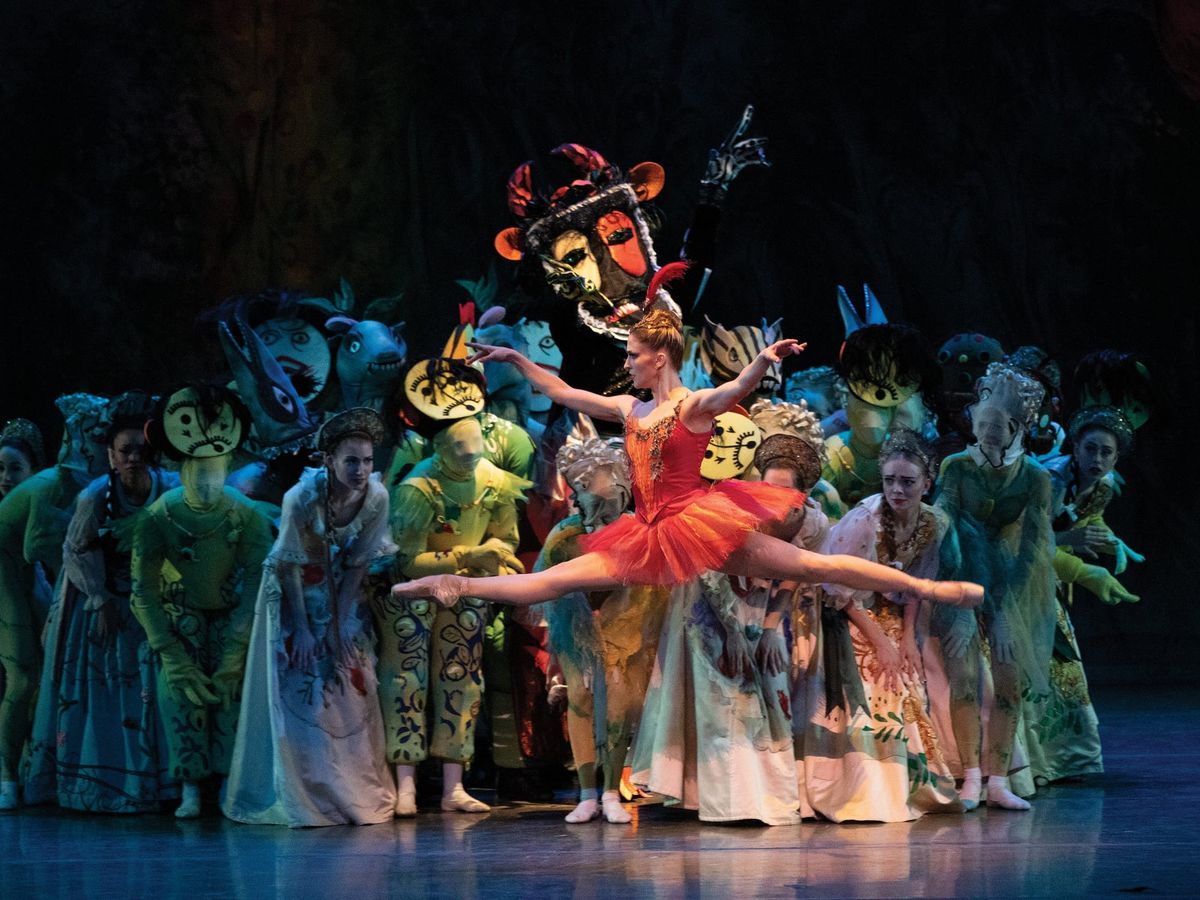
Ashley Bouder has been jumping through "Firebird" since 2002, with no apparent loss of elevation. Balanchine's version uses Stravinsky's 1945 suite, more streamlined than the complete ballet, but the outlines of the original story remain. For me, though, his narrative lacks the logic and magic of the Fokine original. Balanchine's opening pas de deux for the Firebird and Prince Ivan (Andrew Veyette, in his debut) softens the bird by having the Prince succeed in taming her, and as she flits off happily, she seems to give him the feather as a thank you gift, rather than a ransom for the wild, untamable, and dangerous bird's freedom. And the majestic berceuse, where the original Firebird lulled Kastchei's court to sleep so Ivan could destroy the egg containing his soul, is, in the Balanchine version, danced after Ivan has killed Kastchei and run off with the enchanted princess, and while the court is already snoozing happily.
But the choreography triumphs over logic, especially as Bouder's predatory, fierce, and powerful arms and intense commitment wove a truly magical spell. Veyette, too, gave a fine performance in the mimed role, his air of awed wariness as he looked around that magical kingdom made the audience see it all through his eyes. Their performances, and those of the other principals, were a wonderful birthday present.
copyright © 2020 by Mary Cargill



