A Love That Lingers In Eternity
"Giselle"
The Royal Danish Ballet
The Royal Theatre, The Old Stage
Copenhagen, Denmark
March 27, 2026
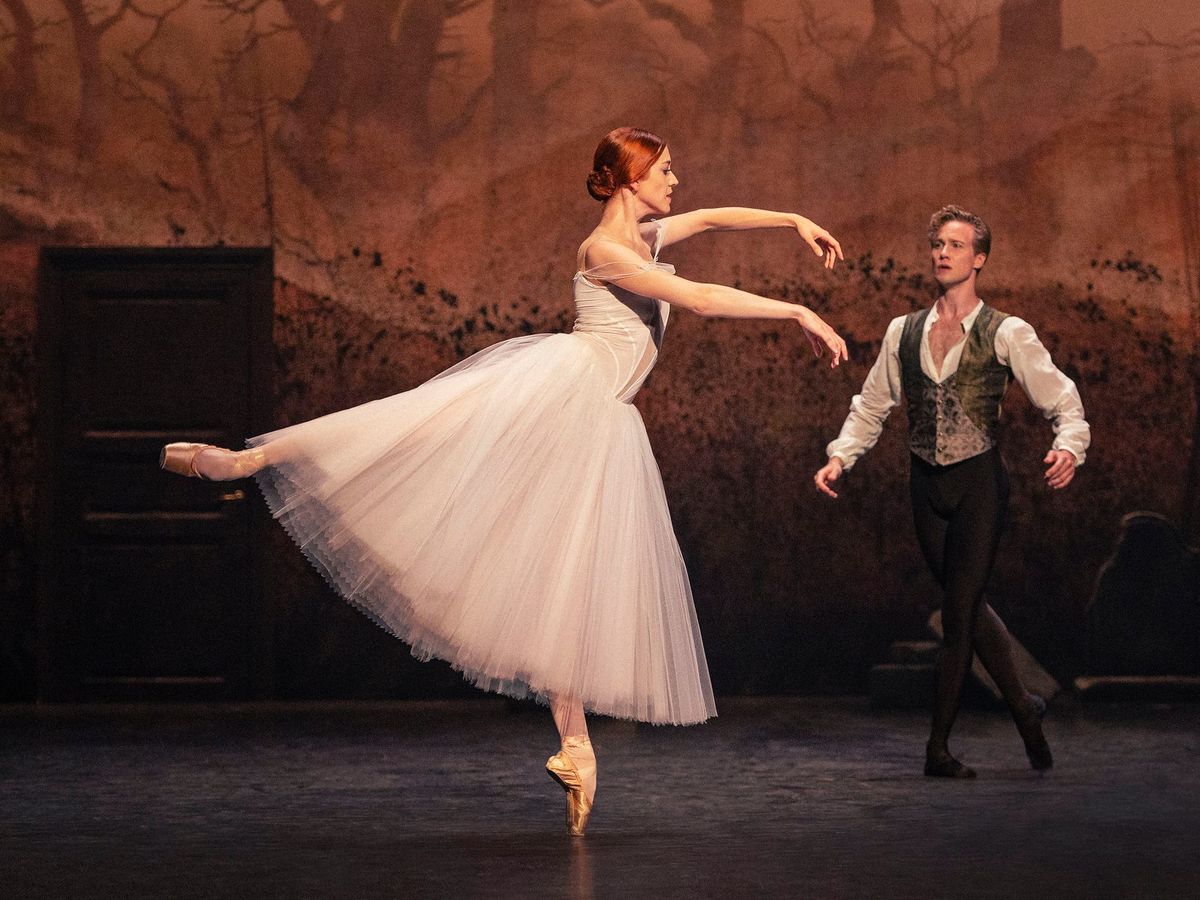
In the play bill introduction of "Giselle," one of the cornerstones of Romantical ballet from 1841, the artistic director of The Royal Ballet, Amy Watson, pondered whether Albrecht is evil by nature or just a privileged and bored male out to have some fun. On this night, the latter seemed to be the case, as in the first act when Albrecht dismissed his servant (Jimmy Coleman) trying to pull him away from Giselle and the trouble that may come with a dalliance, his face clearly suggested that this was not the first time this has happened. Featherlight in his initial entrechats, principal Jón Axel Fransson built the intricate psychological development of this character while imbuing it with the beautiful lines befitting a Duke.
Principal ballerina Holly Dorger’s return to the title role was full of wonder and naïveté of a young girl when meeting Albrecht for the first time, so much so she was willing to overlook every misstep by her perceived beau. She built her dream with every step, making her later descent into madness so much more compelling. As she was confronted with the betrayal of Albrecht, life faded from her eyes long before her collapse, as she chillingly reenacted her short-lived love story.
All the while Hilarion was desperately trying to expose the deceit of Albrecht. Soloist Tobias Praetorius remains one of the most interesting dancers in The Royal Danish Ballet, and though the first act gave him little to work with, he proved once again – especially following his remarkably charming and expressive treatment of Basil in "Don Quixote" in March of last year – that he will make the most of it. One of the highest skilled dancers in the company when it comes to mime, as Hilarion he was always emoting, always bringing the character’s thoughts to his face whether he was in the spotlight or not.
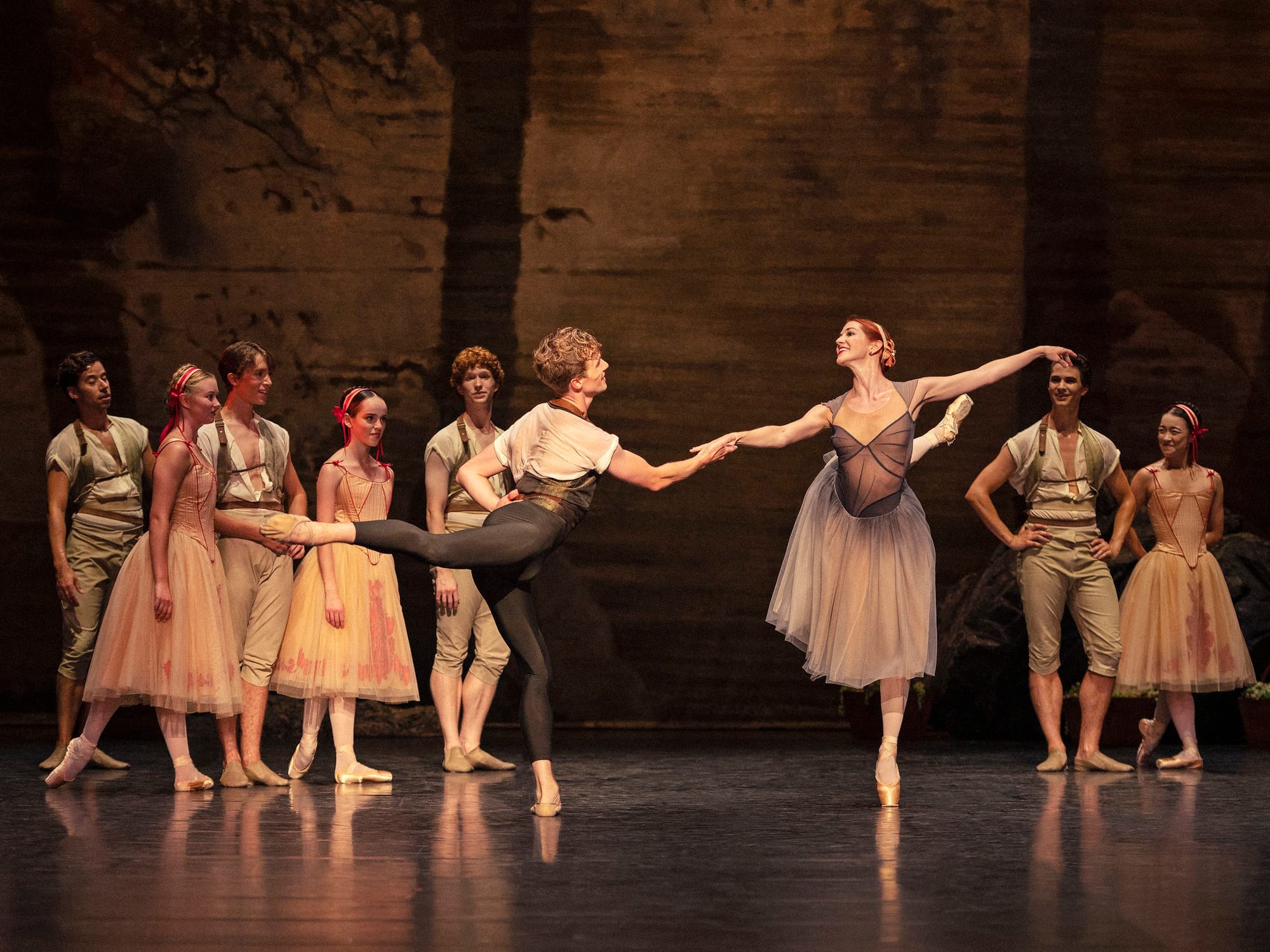
As Giselle died in his arms, Fransson was visibly distraught, but his pain was fully eclipsed by the heart wrenching sorrow of Giselle’s mother, here played with dignified depth by Maria Bernholdt (who danced many soloist roles, including Effy in "La Sylphide," before her retirement and subsequent transition into character roles). Her emotions showed every aspect of a mother’s utter tragedy, and brought the first act to a beautiful, if heartbreaking close.
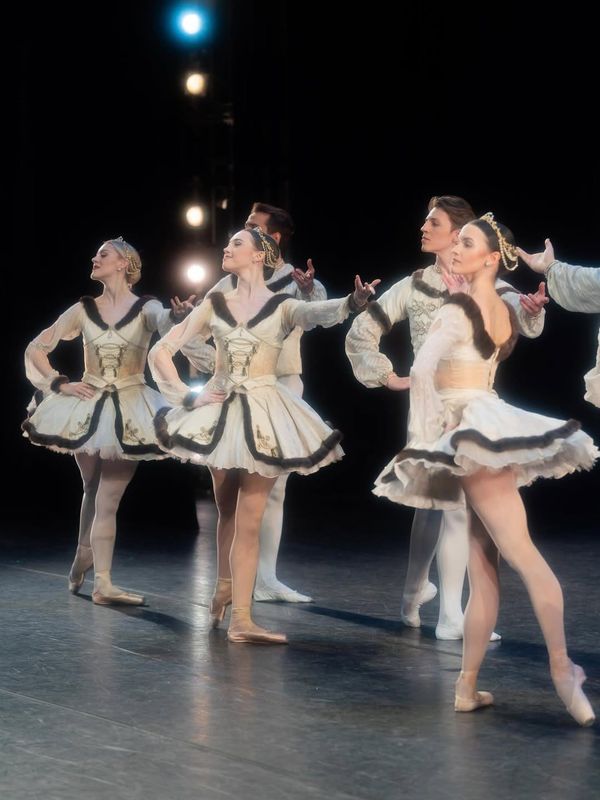
In Act 2, Isabella Walsh was stern and commanding as Myrtha, and out of the two lead willis, Victoria Bell was poetic in her beautiful interpretation of the inherent sadness of these spirit creatures – she is one to watch. Dancing to his death, Praetorius’ Hilarion offered an entire new chapter of his story, now desperate and trapped, and made one wonder when this dancer will finally ascend to the Principal rank. After his dazzling appearance in "Don Quixote," and performance like this one, one can only hope that he gets more opportunities of this caliber in the 2027-28 season, when Watson will preside over a first full season, and move on from executing the plans of her predecessor Nikolaj Hübbe. With her eye for new talent and for bringing new dancers to the forefront, Praetorius may well have his chance.
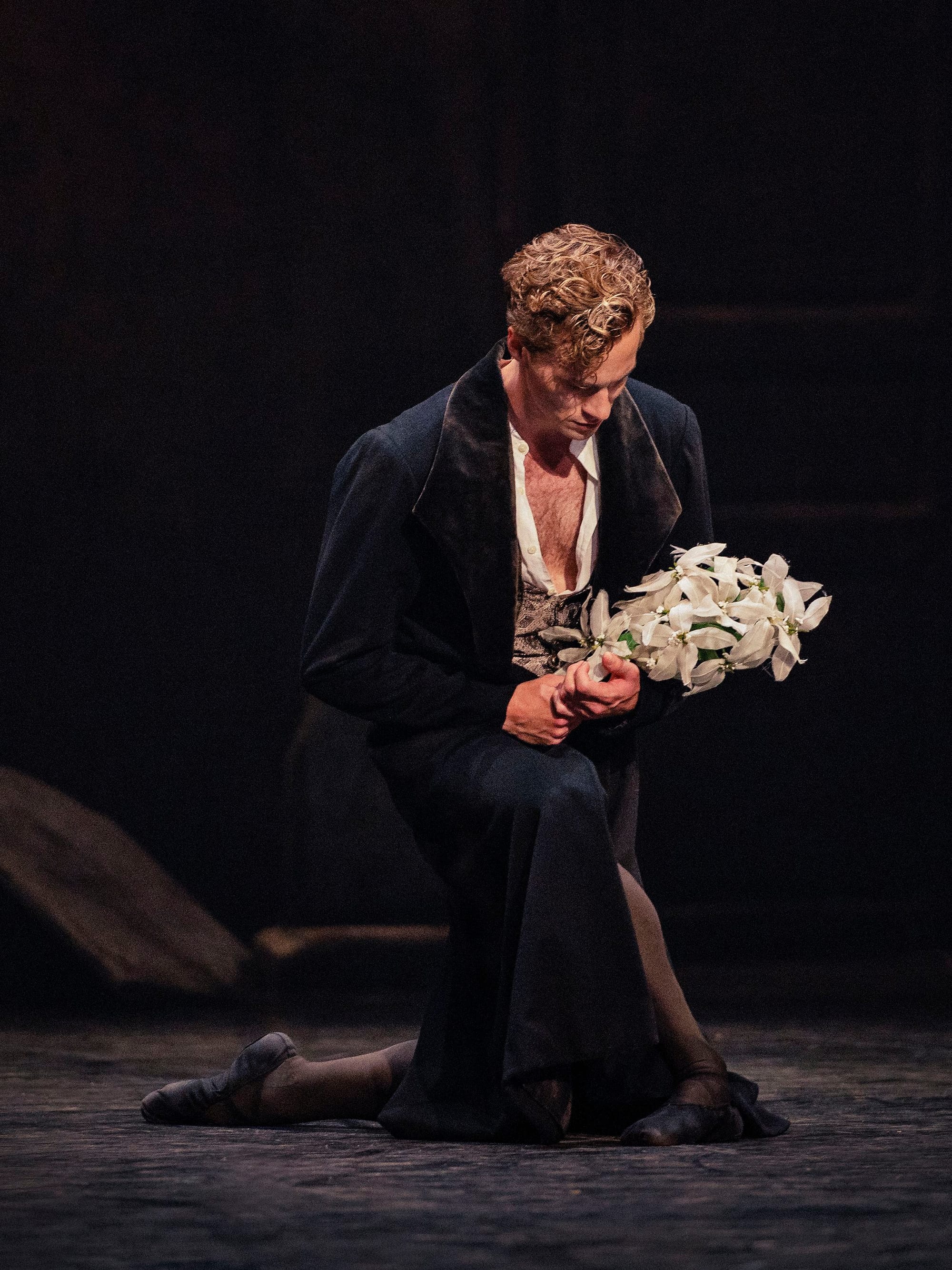
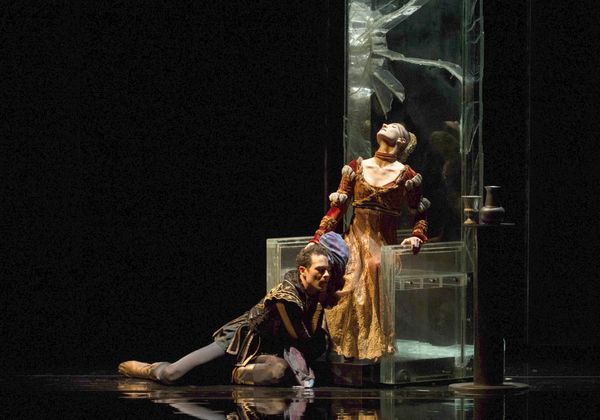
While this dancing was exhilarating, the second act belonged wholly to Fransson and Dorger, as her Giselle fought for her Albrecht. Their pas de deux and respective solos told that story in detail, embellished effortlessly with formidable technique: Fransson's jumps had remarkable height and featherlight landings, and Dorger shone with oh-so-quick footwork. She appeared to increasingly thrive with every difficult sequence, and such passages fit her particularly well (as witnessed in her strong solo in the otherworldly "The Art of the Fugue" by Alexei Ratmansky, which had its world premiere in Copenhagen in November last year).
Most remarkable in this act was the joint transformation of the pair. They were in sync as Dorger seamlessly made the transition from hopelessly devoted girl to a woman who has emotionally matured through the heartbreak. Her resignation was both credible and relatable as Fransson had his Albrecht dancing with the quiet desperation of a man who knows his love is lost forever.
Lingering in every move as though trying to extend time and postpone the inevitable – perfectly underscored by the longing tones of a single violin from the ever well-playing Royal Danish Orchestra conducted by Nathan Brock – Dorger and Fransson created a truly moving partnership where Giselle and Albrecht were suddenly peers united in their last moments together. And oh, what moments.
copyright © 2026 by Signe Ravn